
Brain organoid systems
Human Brain organoids are 3D in vitro models that recapitulate the cellular features of the human brain. They can be generated from somatic samples taken from any healthy individual or patient. We specialise in midbrain-specific organoids that mimic the human midbrain and can be used to model Parkinson’s Disease.
Which type of organoids do we offer?
Cerebral organoids
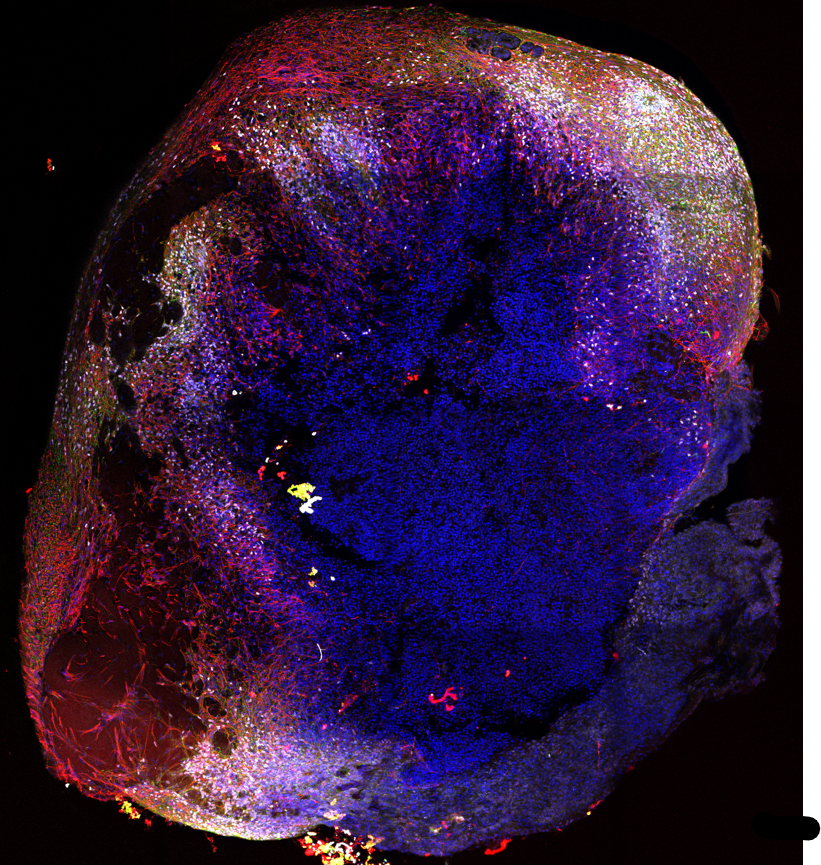
Nestin MAP2 SOX2
Midbrain organoids
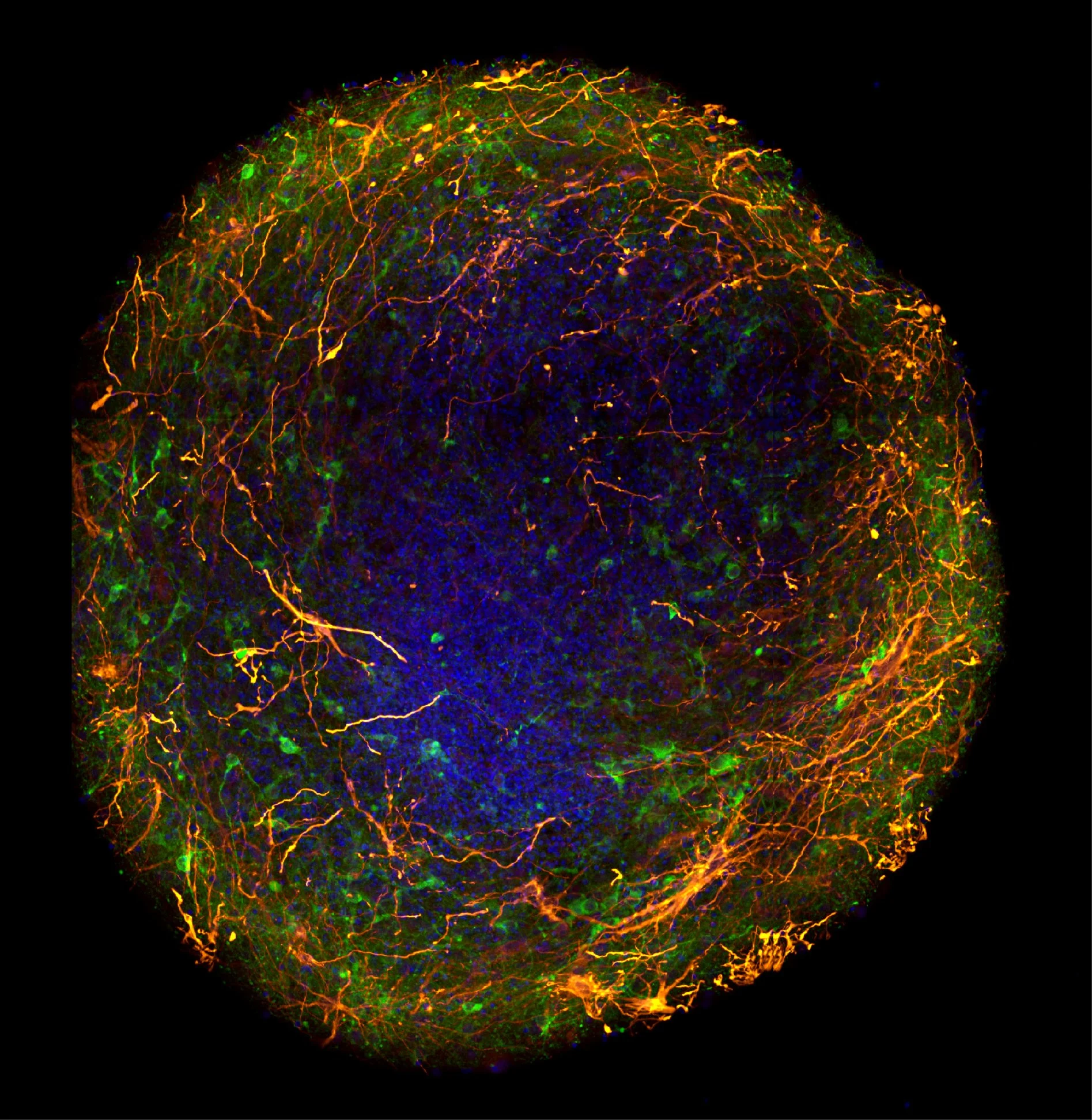
TH GFAP
Midbrain-striatum assembloids
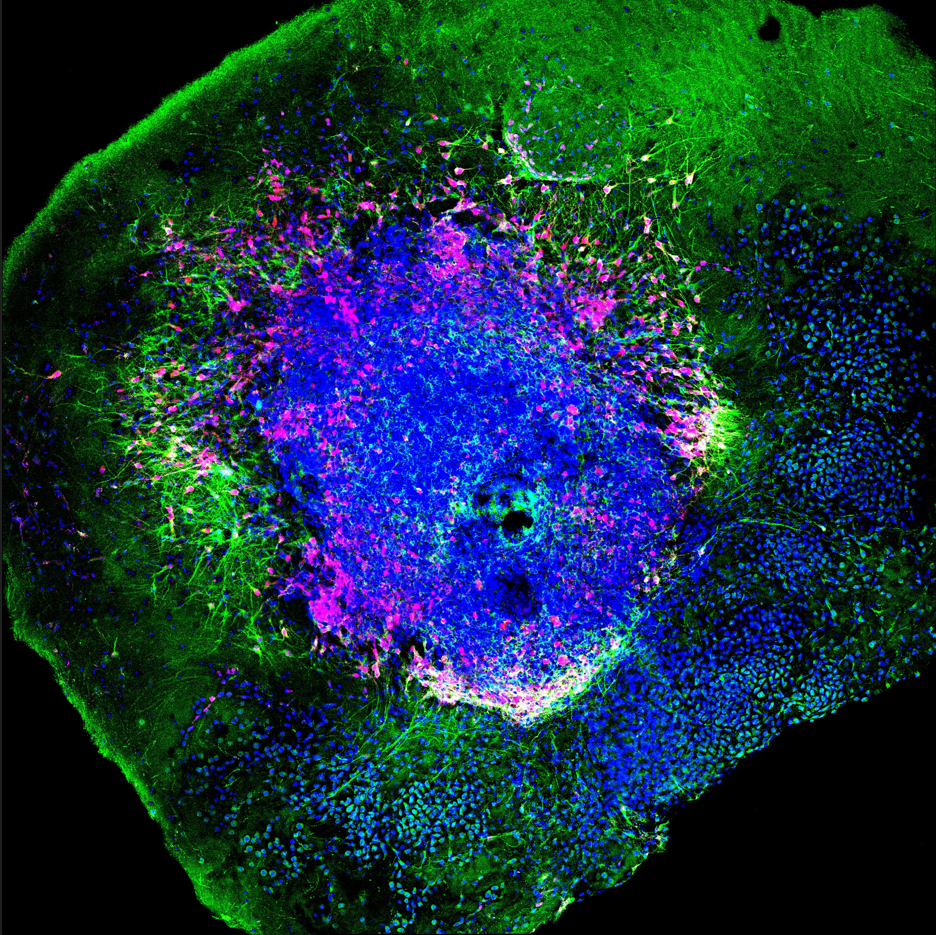
MAP2 aSyn pS129
Midbrain-hindbrain assembloids
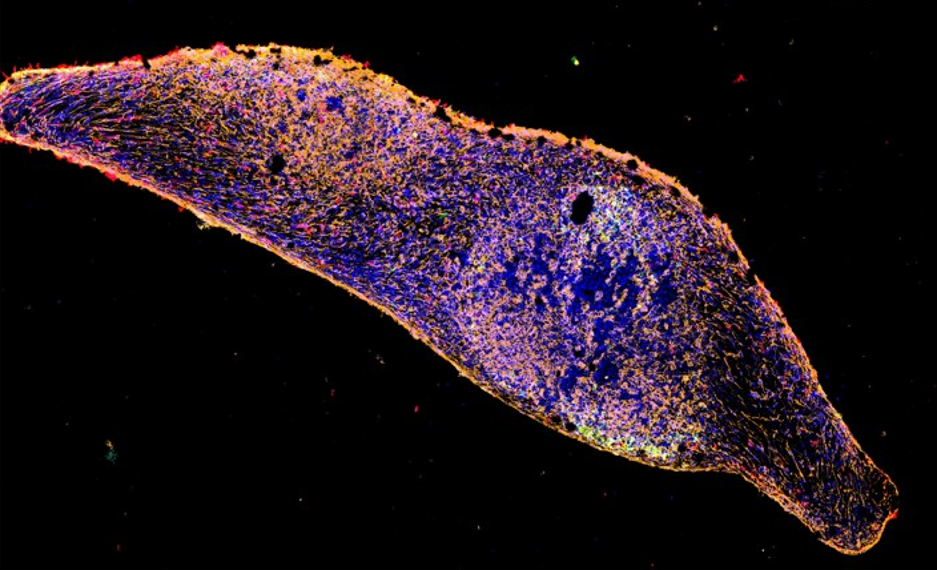
DARP32 IBA1 MAP2
Which cells are in midbrain organoids?
Dopaminergic neurons
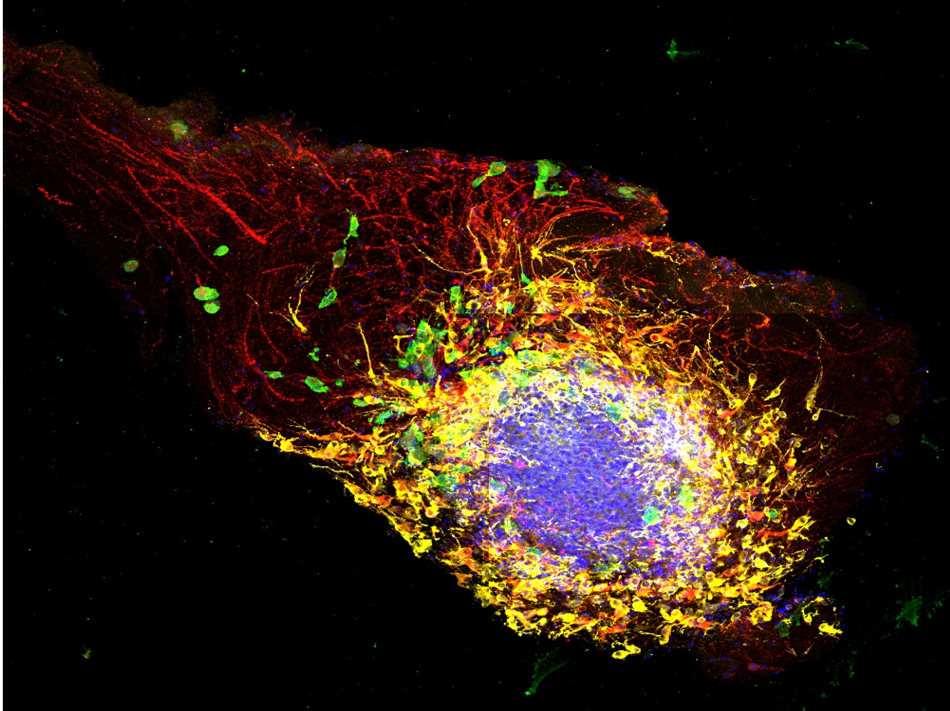
This subtype of neurons degenerates in Parkinson’s Disease, and they are especially abundant in a region called the midbrain. We can identify them with a TH marker (white).

Neurons
The main transmitters of information in the nervous system. We can identify them with a TUJ1 marker (red).
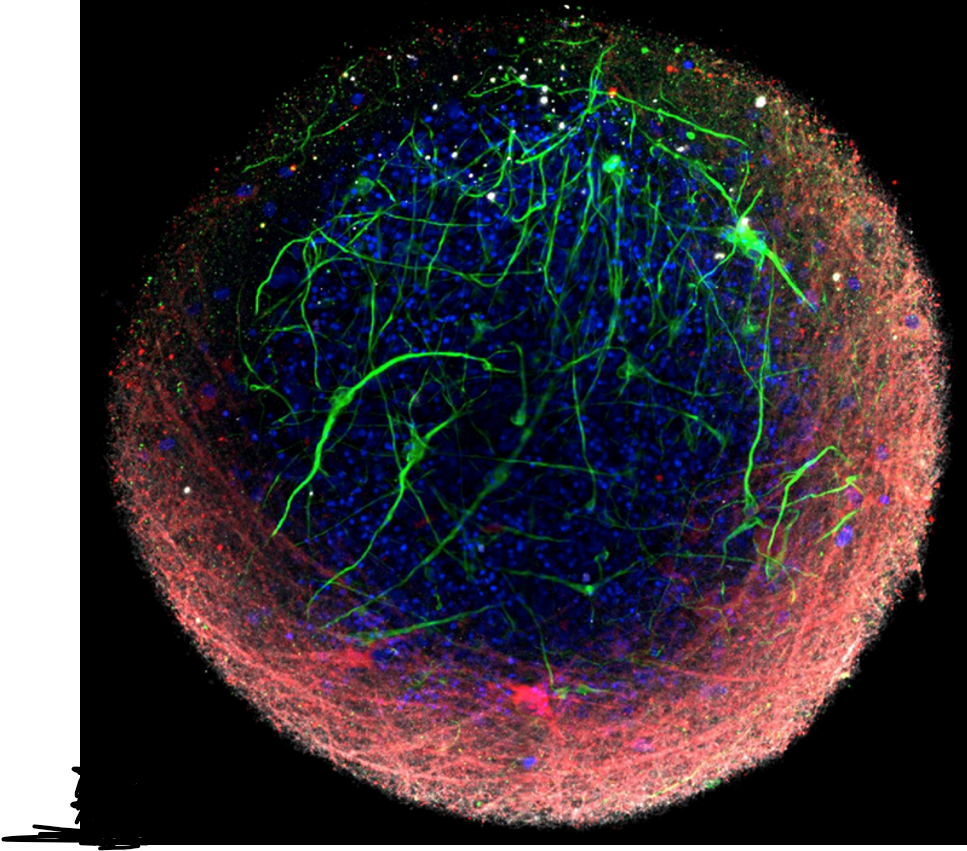
… Many other cell types can be found in midbrain organoids, such as progenitor cells, stem cells, and other neuronal subtypes.
We can enrich our organoid systems with microglia and vasculature cells. ..
Astrocytes
Astrocytes are star-shaped cells support others - such as neurons - in the brain. We can identify them with a GFAP marker (green).
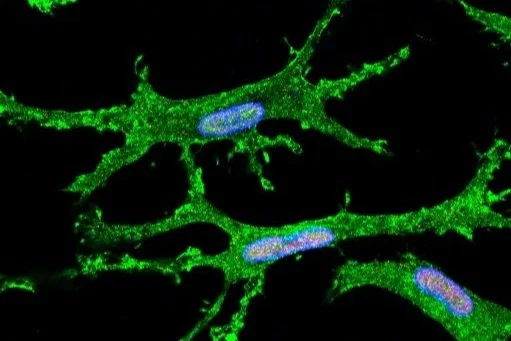
Microglia (green) identified by IBA1 marker presence in organoids (left) and 2D (right).

Our project pipeline
Our services include project design and different phases of experimental procedures and analysis.
They are fully customizable and adapted to your project needs.

Organoid generation
Project design, choice of cellular target, and culture timelines (organoid maturation status). Generation of midbrain organoids.

Compound treatment
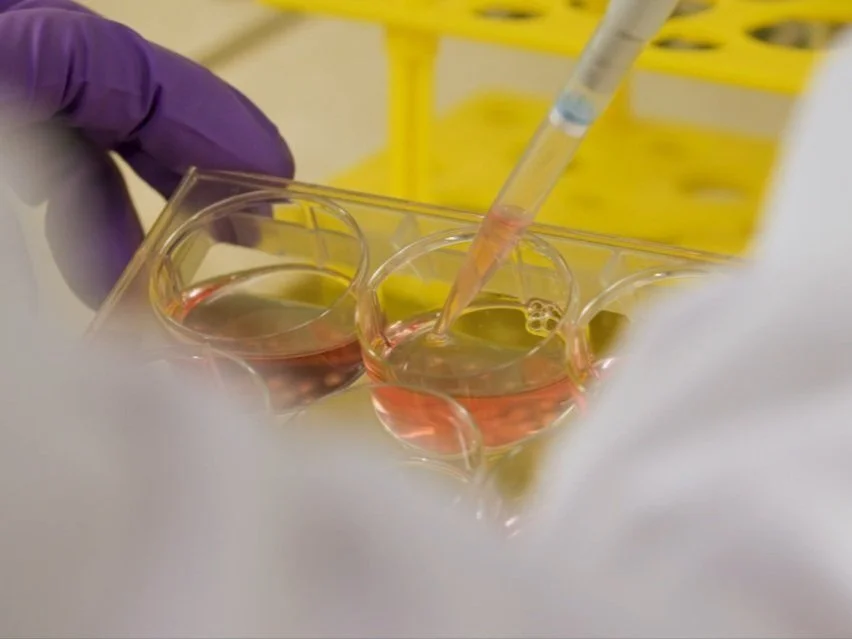
Project design: choice of drug concentrations and treatment duration. Treatment of midbrain organoids with drug candidates.
Experimental analysis
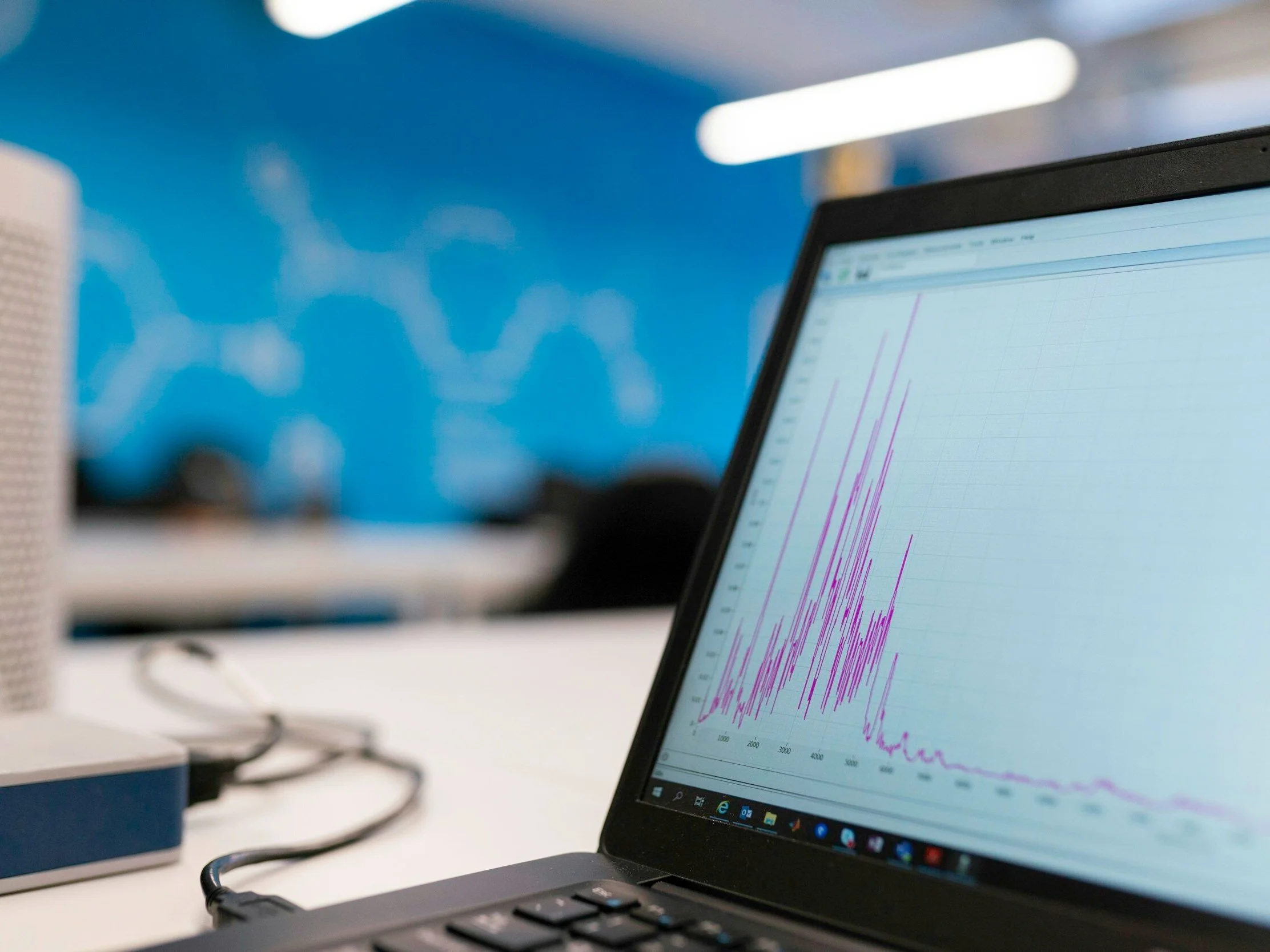
Wet lab experiments based on the project needs (neuronal phenotypes, autophagy, mitochondrial phenotypes, neuroinflammation, etc ).
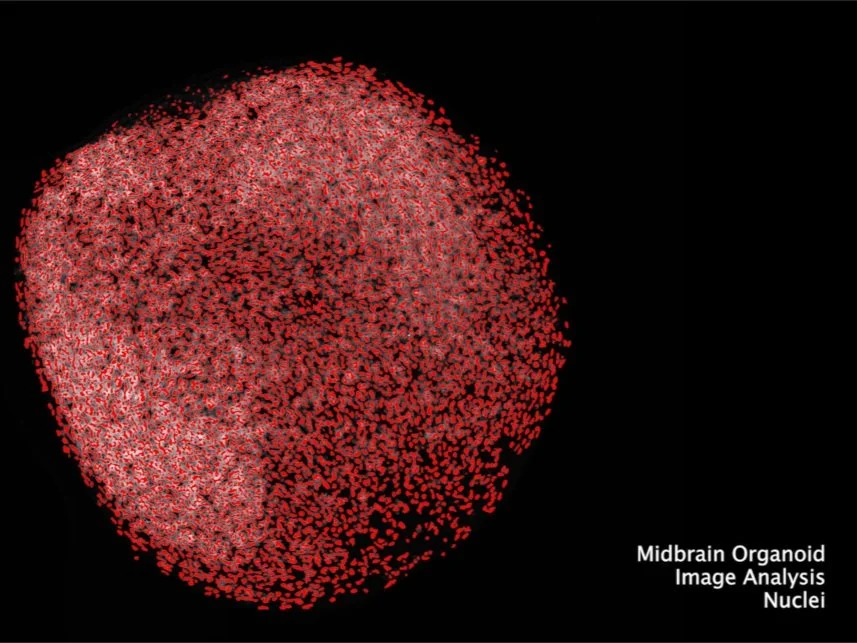
Data analysis
Complete analysis of the observed results accompanied by a discussion.
IP
Monzel A.S., Bolognin S., Schwamborn J.C. (2016) Means and methods for generating midbrain organoids: US11976296B2

Key publications